
East Lake Area Truck Accident On I-59 Leaves Driver Trapped
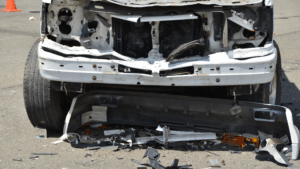
A pickup truck crash early on the morning of January 9 shut down southbound lanes of Interstate 59 in Birmingham for more than an hour, backing traffic up to the I-59 interchange, according to local reports. The crash occurred before 5 a.m. in the East Lake area, where the driver apparently left a nearby roadway and the truck became wedged on a concrete embankment between support beams beneath an I-59 overpass near First Avenue North and 85th Street. Birmingham Fire and Rescue crews worked above and below the interstate to extricate the trapped driver using the Jaws of Life, removing him through the passenger side of the vehicle. The driver was seen moving inside the cab, though officials had not released information about his condition, and all lanes were later reopened following the rescue operation.
Truck crashes in the Birmingham metro area can be scary, especially when they leave drivers wedged underneath their own vehicles and help takes time to arrive. When a vehicle leaves the roadway and becomes trapped in a confined space, the risk of serious injury increases and emergency response efforts grow more complicated, often leading to traffic shutdowns and prolonged delays. Incidents like this raise important questions about roadway design, driver safety, and what factors caused the vehicle to end up wedged beneath the interstate structure. If you or someone you love has been injured in a serious truck accident in East Lake or anywhere in the Birmingham area, our team at Simmons Law is ready to help you understand your legal options and protect your rights. Call us today at (251) 802-1716 to discuss your case.
Why Trust an East Lake Truck Accident Attorney
An East Lake truck accident can involve serious injuries, complex investigations, and multiple liable parties, which is why working with Simmons Law can make a meaningful difference. Truck crashes often require a deeper analysis than typical car accidents, including vehicle maintenance records and compliance with federal and state regulations. At Simmons Law, we understand how insurers respond after serious collisions and how quickly evidence can disappear if it is not preserved. Our experience allows us to evaluate the full scope of the crash and identify factors that may not be immediately apparent to injured victims or their families.
When dealing with the aftermath of an East Lake truck accident, having Simmons Law involved provides clarity during an otherwise overwhelming time. Truck accident cases frequently involve severe injuries, extended medical care, and significant financial strain, all of which require careful legal handling. We focus on thoroughly investigating the crash, assessing long-term impacts, and ensuring that the circumstances surrounding the accident are fully examined. By taking a detailed and strategic approach, we help injured individuals better understand their situation while working to protect their interests throughout the legal process.
Steps to Take After an East Lake Truck Accident
An East Lake truck accident can leave drivers and passengers shaken, injured, and unsure of what to do next. The actions taken immediately after a crash and in the days that follow can significantly affect physical recovery and any future insurance or legal claims. Understanding practical steps helps individuals protect their safety, preserve important information, and avoid mistakes during a stressful time. A calm and informed response can provide stability when circumstances feel uncertain.
Seek Medical Attention as Soon as Possible
Medical evaluation should be a priority after any truck accident, even if injuries seem minor at first. Some injuries, including head trauma or internal damage, may not produce immediate symptoms. Prompt treatment helps protect health and creates medical records that document injuries. These records often become important later when injuries are evaluated.
Follow Up With Ongoing Medical Care
Initial treatment may not address all injuries sustained in the crash. Follow-up appointments help monitor recovery and identify complications. Consistent care supports healing and provides a clearer picture of long-term impact. Skipping treatment can complicate both recovery and documentation.
Report the Accident and Document the Scene
Reporting the accident to law enforcement helps ensure an official record is created. Police reports often include details about location, involved parties, and initial observations. If possible, documenting the scene with photographs or notes can provide additional clarity. This information helps preserve details that may fade over time.
Gather Information From All Involved Parties
Collecting names, contact details, and insurance information from other drivers is important. Witness contact information may also be valuable later. Accurate information helps avoid confusion during follow-up communications. Organized records support smoother resolution.
Avoid Making Statements That Could Be Misinterpreted
After a crash, conversations with insurance representatives or others may feel routine. However, statements made early can later be misunderstood or used against your interests. Limiting detailed discussions helps prevent misinterpretation. Remaining cautious protects your position.
Understand Your Right to Decline Recorded Statements
Insurance companies may request recorded statements soon after an accident. These requests are often voluntary. Knowing this allows individuals to proceed carefully. Delaying statements until ready can prevent unintended consequences.
Preserve Records and Track Expenses
Keeping records related to the accident helps establish how the crash affected daily life. Medical bills, repair estimates, and time missed from work should be documented. Personal notes about pain or limitations may also be useful. Organized records support a clearer understanding of losses.
Save Communication and Repair Documentation
Emails, letters, and estimates related to the accident should be retained. Vehicle repair documentation can help establish damage severity. These records often become important during insurance evaluations. Consistent tracking helps avoid gaps.
Be Aware of Deadlines and Next Steps
Truck accident claims may involve specific timelines for reporting and filing. Missing deadlines can limit available options. Staying informed helps ensure compliance with procedural requirements. Awareness supports better planning.
Monitor Insurance and Legal Correspondence
Notices and requests may arrive quickly after an accident. Reviewing correspondence carefully helps prevent missed obligations. Prompt responses reduce delays. Staying organized helps maintain control during the process.
Determining Liability After an East Lake Truck Accident
Determining liability after an East Lake truck accident involves closely examining how the crash occurred and which actions contributed to it. Pickup truck accidents often involve disputed fault, especially when multiple vehicles, complex road conditions, or conflicting accounts are involved. Establishing responsibility requires careful review of evidence and applicable traffic laws. A clear understanding of liability helps injured individuals evaluate their options and next steps.
Evaluating Driver Actions Leading Up to the Crash
Driver behavior plays a central role in determining liability after a truck accident. Investigators review whether a driver was speeding, distracted, fatigued, or failed to obey traffic signals. Even brief lapses in attention can have serious consequences in a pickup truck collision. Understanding these actions helps clarify how the crash unfolded.
Assessing Distracted or Reckless Driving
Distraction from phones, navigation systems, or in-vehicle activities may contribute to a crash. Reckless behaviors such as aggressive driving or unsafe lane changes are also considered. Evidence of these actions may come from witness statements or crash scene analysis. These factors often weigh heavily in liability determinations.
Reviewing Physical Evidence and Accident Scene Details
Physical evidence from the crash scene often provides important insight into fault. Skid marks, debris patterns, and vehicle damage can indicate speed, direction, and points of impact. This information helps reconstruct the sequence of events. Careful analysis of the scene supports more accurate conclusions.
Using Photographs and Measurements for Reconstruction
Photographs taken at the scene capture details that may not appear in written reports. Measurements of distances and vehicle positions can further clarify what happened. These details help experts assess collision dynamics. Accurate reconstruction strengthens liability assessments.
Considering Road and Environmental Conditions
Roadway conditions may also contribute to an East Lake truck accident. Poor lighting, uneven pavement, or obstructed signage can affect driver response. Weather conditions such as rain or fog may further complicate visibility. These factors are reviewed to determine whether they played a role.
Identifying Contributing Infrastructure Issues
Construction zones, missing guardrails, or unclear lane markings may influence how a crash occurs. Investigators consider whether roadway design or maintenance contributed to the incident. These issues can complicate liability analysis. A comprehensive review includes both driver and environmental factors.
Examining Statements and Official Reports
Statements from drivers, passengers, and witnesses often influence liability determinations. Police reports may include initial observations or citations issued at the scene. While not always conclusive, these documents provide important context. Consistency between reports and physical evidence strengthens findings.
Addressing Conflicting Accounts of the Crash
Conflicting statements may arise when parties recall events differently. Investigators compare accounts against objective evidence. Discrepancies can raise questions about credibility. Resolving these conflicts is essential for fair liability conclusions.
Understanding Shared or Comparative Fault
In some cases, more than one party may share responsibility for a truck accident. Comparative fault principles consider each party’s contribution to the crash. Liability may be divided based on the degree of fault assigned. Understanding shared fault helps clarify how responsibility is allocated.
How Comparative Fault Affects Outcomes
When fault is shared, outcomes may depend on relative responsibility. Evidence is used to determine proportional fault. This approach ensures liability reflects actual conduct. Clear explanation of comparative fault supports realistic expectations.
How Insurance Companies Handle East Lake Truck Accident Claims
Insurance companies play a central role after an East Lake truck accident, often becoming involved within hours of the crash. Their primary goal is to evaluate claims while managing financial exposure, which can influence how they communicate with injured individuals. Understanding how insurers approach these claims helps accident victims prepare for the process ahead. Early awareness can reduce confusion and prevent avoidable setbacks.
Initial Claim Review and Investigation
After a claim is filed, insurance adjusters begin reviewing the details of the accident. This review often includes examining police reports, photographs, and statements from those involved. Adjusters may also assess vehicle damage and injury reports. This initial investigation helps insurers determine how to proceed.
Requests for Statements and Documentation
Insurance companies frequently request recorded statements and supporting documentation. These requests may occur before the full extent of injuries is known. While presented as routine, these interactions can influence claim evaluations. Careful consideration of responses helps avoid misunderstandings.
Evaluating Fault and Coverage
Insurers assess fault based on available evidence and policy terms. Disputes may arise if fault is unclear or contested. Coverage limits and exclusions are also reviewed at this stage. These factors shape how insurers calculate potential payouts.
Settlement Discussions and Negotiation Tactics
Settlement offers may be presented once insurers complete their evaluation. Initial offers may not reflect long-term impacts of injuries. Negotiations often involve multiple rounds of communication. Understanding this process helps manage expectations.
Compensation That May Be Available After an East Lake Truck Accident
Compensation after an East Lake truck accident is intended to address the losses experienced by injured individuals. These losses may include both financial costs and personal impacts. The types and amounts of compensation depend on the circumstances of the crash and resulting injuries. Understanding potential compensation categories helps clarify what may be considered.
Economic Losses Related to the Accident
Economic losses often form the foundation of a truck accident claim. These losses may include medical expenses, rehabilitation costs, and lost income. Future medical needs and reduced earning capacity may also be considered. Accurate documentation supports these claims.
Vehicle Repair and Property Damage Costs
Damage to vehicles and personal property may be included in compensation evaluations. Repair estimates and replacement costs help establish these losses. Thorough records support clearer assessments. Property damage claims often accompany injury claims.
Non-Economic Impacts and Personal Losses
Non-economic losses address the personal effects of an accident. Pain, emotional distress, and reduced quality of life may be considered. These impacts can affect daily routines and relationships. Evaluating these losses requires careful attention.
Long-Term Lifestyle and Functional Changes
Injuries may limit mobility, independence, or ability to participate in activities. These changes often persist beyond initial recovery. Recognizing long-term effects helps present a more complete picture of loss. Comprehensive evaluation supports fair consideration.
How Long It Takes to Resolve an East Lake Truck Accident Claim
The time required to resolve an East Lake truck accident claim can vary significantly depending on the specific circumstances surrounding the crash. Some claims may reach resolution in a matter of months, while others can take much longer when injuries are severe or liability is disputed. Factors such as medical recovery, insurance negotiations, and evidence review all influence how quickly a claim can move forward. Understanding these variables helps injured individuals set realistic expectations and avoid unnecessary frustration during the process.
Factors That Influence Claim Timelines
Several factors play a role in determining how long a truck accident claim may take to resolve. The severity of injuries often has a direct impact, as ongoing treatment can delay final assessments of damages. Claims may also take longer when insurers dispute fault or question the extent of losses being claimed. Each case progresses at its own pace, shaped by medical, legal, and procedural considerations.
Complexity of Injuries and Medical Treatment
Serious injuries often require extended medical care, rehabilitation, and follow-up evaluations before a clear prognosis is available. Final settlement discussions typically wait until treatment stabilizes so future medical needs can be accurately assessed. Rushing resolution before recovery is understood can lead to incomplete evaluations of damages. As a result, medical complexity frequently extends the overall timeline of a claim.
Negotiations and Potential Disputes
Negotiations with insurance companies often involve multiple rounds of discussion and documentation review. Insurers may request additional medical records, accident evidence, or clarification regarding damages before making revised offers. Disagreements over fault, injury severity, or compensation amounts can slow progress considerably. These back-and-forth exchanges require persistence and careful evaluation at each stage.
Court Involvement and Litigation Considerations
When negotiations fail to produce an agreement, court involvement may become necessary. Litigation introduces formal procedures such as filings, hearings, and discovery, all of which extend the timeline. Court schedules, motions, and procedural requirements can further affect how quickly a case moves forward. These additional steps often result in longer resolution periods compared to claims settled outside of court.
Evidence That Can Strengthen an East Lake Truck Accident Case
Strong evidence plays a critical role in supporting an East Lake truck accident case, particularly when fault or damages are disputed. Evidence helps establish how the crash occurred, what factors contributed to it, and how injuries developed as a result. Collecting and preserving information as early as possible improves clarity and reduces the risk of important details being lost or misinterpreted. A well-documented case often allows for more accurate evaluations by insurance companies and other involved parties, which can influence how the claim progresses.
Physical Evidence From the Accident Scene
Physical evidence gathered from the accident scene often provides some of the clearest insight into how a truck crash unfolded. Vehicle damage, skid marks, debris patterns, and the final resting positions of vehicles can all help reconstruct the sequence of events. Photographs taken shortly after the crash preserve details that may change quickly once vehicles are moved or roadways are cleared. This type of documentation supports a more objective understanding of the collision and helps reduce reliance on conflicting recollections.
Vehicle Damage and Impact Analysis
Vehicle damage analysis can reveal important details about speed, direction of travel, and points of impact. Crumple zones, intrusion into the passenger compartment, and damage alignment often help explain how force was distributed during the collision. Inspecting vehicles closely can also identify whether safety features functioned as intended. This analysis supports more accurate fault assessments and adds credibility to conclusions about how the crash occurred.
Documentation and Records Supporting the Claim
Written documentation provides essential context for an East Lake truck accident claim by establishing timelines, expenses, and injury progression. Police reports often contain initial observations, diagrams, and statements collected at the scene. Medical records document diagnoses, treatment plans, and recovery progress, while repair estimates outline property damage. When these records remain consistent and well organized, they strengthen the overall presentation of the claim and reduce uncertainty.
Witness Statements and Independent Accounts
Witness statements often play a valuable role in confirming details that physical evidence alone may not explain. Observations from neutral third parties can help clarify traffic conditions, driver behavior, or the moments leading up to the crash. Collecting witness accounts as early as possible improves accuracy, since memories can fade over time. When combined with physical evidence and documentation, these independent perspectives help complete a more reliable picture of what occurred.

How Birmingham Truck Accident Lawyers Step in After a Serious Crash
After a serious pickup truck crash, injured individuals often face medical uncertainty, financial stress, and complex legal questions. Birmingham truck accident lawyers help accident victims understand their rights and navigate the legal process during this difficult time. These cases may involve severe injuries, disputed fault, or challenging insurance negotiations that require careful legal handling. Early guidance can help ensure that important evidence is preserved and that victims are treated fairly.
Investigating the Cause of the Truck Accident
Truck accident lawyers begin by examining how and why the crash occurred. This investigation may include reviewing police reports, crash scene evidence, and witness statements. Lawyers work to identify contributing factors such as speeding, distracted driving, or unsafe lane changes. A thorough investigation helps clarify responsibility and supports stronger claims.
Reviewing Accident Scene Evidence and Vehicle Damage
Photographs, debris patterns, and vehicle damage often provide important insight into how a crash unfolded. Lawyers analyze this information to understand impact points and collision dynamics. Vehicle damage can also help establish speed and direction at the time of the crash. Careful review of physical evidence supports accurate accident reconstruction.
Working With Insurance Companies After a Crash
Insurance companies often become involved immediately after a pickup truck accident. Lawyers help manage communication with insurers to prevent misstatements or unfair settlement tactics. They review policy terms and assess available coverage options. This involvement helps protect victims from unnecessary pressure during recovery.
Addressing Disputes Over Fault and Coverage
Disagreements about fault or coverage limits can delay resolution. Lawyers work to counter arguments that shift blame unfairly or minimize injuries. They present evidence that supports the victim’s account of events. Resolving these disputes requires persistence and careful documentation.
Evaluating Injuries and Long-Term Impact
Serious truck crashes often result in injuries that require ongoing medical care. Lawyers review medical records and consult with professionals when needed. This evaluation helps determine how injuries affect daily life and future needs. Understanding long-term impact supports more accurate compensation assessments.
Accounting for Pain, Recovery, and Lifestyle Changes
Injuries may affect mobility, employment, and personal activities. Lawyers consider how pain and recovery alter quality of life. These changes often extend beyond immediate medical costs. Proper evaluation ensures these impacts are not overlooked.
Guiding Clients Through the Legal Process
The legal process following a truck accident can involve multiple steps and deadlines. Lawyers help clients understand what to expect at each stage. They prepare necessary filings and represent clients during negotiations or proceedings. This guidance helps reduce stress and uncertainty.
Preparing for Negotiations or Court Proceedings
Some cases resolve through negotiation, while others require court involvement. Lawyers prepare clients for both possibilities. They explain options and potential outcomes clearly. Preparation helps clients make informed decisions about their case.
Contact an Experienced East Lake Truck Accident Lawyer Today
After a serious truck crash, the decisions you make in the days and weeks that follow can have a lasting impact on your physical recovery, emotional well-being, and long-term financial stability. Simmons Law understands how overwhelming this period can feel, especially when you are juggling medical appointments, ongoing treatment, insurance company communications, and unanswered questions about what comes next. Our team takes the time to understand the full scope of your situation, including the severity of your injuries, the circumstances that led to the collision, and how the accident has disrupted your work, family life, and daily routine. We conduct thorough investigations into truck accidents, examining factors such as driver conduct, vehicle condition, and roadway conditions, while working to pursue accountability from every responsible party involved.
When you choose Simmons Law, you gain a legal team that is committed to clear communication, careful case preparation, and strong advocacy on behalf of injured individuals and their families. We believe clients deserve to stay informed and supported throughout every stage of the legal process, from the initial investigation through resolution. Our approach focuses on building cases that accurately reflect the true impact of truck accident injuries, including current losses and future challenges. If you or someone you love has been injured in an East Lake truck accident, you don’t have to navigate the aftermath alone. Call us at (251) 802-1716 or fill out the online form today to discuss your case and learn how we can help you move forward.