
Major West Birmingham Car Crash Near Oporto-Madrid Closes I-20
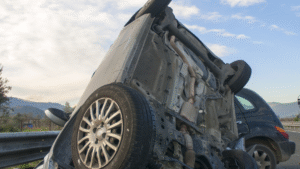
An important stretch of the I-20 in West Birmingham was shuttered near Oporto-Madrid Boulevard last week after a major accident occurred, according to local news. The collision, which happened around 11 a.m., prompted a significant response from police and Birmingham Fire and Rescue personnel, who arrived quickly to block off the ramp to I-20 and provide medical attention. The Alabama Department of Transportation said cleanup operations would likely continue into the afternoon, with the roadway expected to remain closed for several hours and drivers were urged to use alternative routes to avoid delays. Officials did not immediately release details on the victims’ injuries or the cause of the crash, and authorities continue investigating the incident.
Serious highway crashes like this one can bring traffic to a standstill and leave those involved facing sudden injuries, property damage, and lasting uncertainty. High-speed collisions on major interstates often raise critical questions about driver behavior, road conditions, and whether timely precautions could have prevented the incident. In the aftermath, victims and their families may be left dealing with medical treatment, insurance disputes, and unanswered questions about fault and accountability. If you or someone you love has been affected by a major crash on I-20 or another Alabama roadway, our team at Simmons Law is prepared to help you understand your legal options and protect your rights. Call us today at (251) 802-1716 for a consultation.
Why Legal Support Matters After a Major West Birmingham Car Crash
After a major West Birmingham car crash, our experienced legal team at Simmons Law understands how quickly an ordinary day can turn into a confusing and stressful situation for those involved. We know that serious crashes on busy highways can leave victims dealing with painful injuries, vehicle damage, and overwhelming questions about what comes next. Insurance companies often move fast to protect their interests, not yours, which can make the process feel one-sided. Our team focuses on helping crash victims understand their rights and the legal options available to them under Alabama law.
Our lawyers understand how major crashes can have long-term effects that extend far beyond the initial incident, often disrupting nearly every aspect of a person’s daily life. Ongoing medical care, mounting hospital bills, missed work, and reduced earning capacity can quickly create serious financial strain, while physical pain and emotional stress affect the entire family. At Simmons Law, we take the time to thoroughly investigate the circumstances surrounding the crash, review police reports, analyze available evidence, and identify all potentially responsible parties. We work to pursue compensation that reflects not only immediate expenses but also future medical needs and lasting impacts, allowing our clients to focus on healing while knowing their case is being handled with care and attention.
Steps to Take After a Major West Birmingham Car Crash
The actions taken immediately after a serious crash can significantly influence personal safety, physical recovery, and future legal options. A major collision often creates confusion, shock, and urgent medical concerns that make clear thinking difficult. Knowing what steps to take helps protect both health and legal rights during a critical period. These early decisions also help preserve important evidence that may later become essential.
Ensure Safety and Seek Medical Attention
Personal safety should always remain the first priority after a major crash, especially on busy West Birmingham roadways. Injuries are not always obvious at the scene, even when damage appears severe. Prompt medical evaluation protects long-term health and creates reliable documentation. Delaying care can worsen injuries and complicate later claims.
Call Emergency Services Immediately
Calling 911 ensures that medical responders and law enforcement arrive quickly to assess injuries and secure the scene. Emergency personnel can provide immediate care while officers manage traffic hazards. Police documentation creates an official record of the incident. This report often becomes a key reference later.
Even when injuries seem minor, emergency evaluation remains important. Symptoms may appear hours or days later as adrenaline fades. Early medical attention supports recovery and reduces risk. Official response also helps prevent additional collisions.
Accept Medical Evaluation and Treatment
Medical professionals are trained to identify injuries that may not be visible at the scene. Adrenaline frequently masks pain after serious crashes. Accepting medical treatment helps prevent complications from internal or delayed injuries. Medical records also establish a clear link between injuries and the crash.
Follow-up care remains just as important after the initial visit. Doctors may recommend imaging, physical therapy, or specialist care. Ignoring medical advice can harm both physical recovery and legal claims. Consistent treatment demonstrates the seriousness of injuries.
Document the Crash Scene and Gather Information
Evidence collection should begin at the scene when it is safe to do so. Information gathered immediately after a crash may not be available later. Accurate documentation strengthens insurance and legal claims. Attention to detail matters greatly.
Take Photos and Videos if Safe
Photographs help capture vehicle damage, road conditions, and surrounding traffic controls. Images should include skid marks, debris, and visible signage. Weather and lighting conditions may also affect liability. Visual documentation preserves important details.
Videos can provide additional context by showing the broader scene. Short recordings may capture vehicle positions and roadway layout. These details can support fault determinations later. Always prioritize personal safety while documenting.
Exchange Information With Involved Parties
Drivers should exchange names, contact information, and insurance details at the scene. License numbers and vehicle information are also important. This information supports later communication with insurers. Accuracy prevents delays and confusion.
Avoid discussing fault or apologizing at the scene. Casual statements may be misunderstood or misused later. Keep exchanges factual and brief. Investigators determine responsibility based on evidence.
Cooperate With Law Enforcement Carefully
Police involvement creates an official and neutral record of the crash. Cooperation remains important but should be measured and careful. Clear communication helps ensure accuracy. Speculation should be avoided.
Provide Factual Statements to Officers
Answer officers’ questions honestly and concisely using known facts. Describe what you observed without guessing about causes. Avoid speculation regarding speed or fault. Stick to what you personally know. Request the report number if possible. This helps obtain the report later. Review the report once available. Corrections may be needed if errors appear.
Avoid Admitting Fault at the Scene
Determining fault requires investigation and analysis beyond the scene. Apologies or explanations may be interpreted as admissions. Keep statements neutral and factual. Protecting legal rights begins immediately.
Allow evidence to speak for itself. Investigators and insurers evaluate responsibility over time. Careful communication helps preserve claims. Legal guidance may be appropriate later.
Protect Your Legal and Financial Interests
After immediate concerns are addressed, attention should shift toward protecting legal and financial interests. Insurance companies often act quickly following serious crashes. Informed decisions help prevent costly mistakes. Early caution can make a significant difference.
Notify Insurance Companies Promptly
Most insurance policies require timely notice of a crash. Reporting the incident does not mean accepting blame. Provide basic facts only. Avoid recorded statements without proper guidance. Adjusters may request documents or interviews. Review requests carefully before responding. Premature disclosures may affect claims. Thoughtful communication protects interests.
Preserve All Records and Expenses
Keep copies of all medical bills, prescriptions, and treatment records. Document missed work and lost wages carefully. These records support damage claims. Organization simplifies the process. Save repair estimates, towing invoices, and rental receipts. Track mileage related to medical visits. Small details can add up. Comprehensive records strengthen claims.
Seek Legal Guidance Early
Major crashes often involve complex legal and insurance issues. Legal guidance helps navigate these challenges effectively. Early involvement preserves important options. Knowledge empowers better decisions.
Understand Your Rights and Options
State laws affect claims, deadlines, and compensation. Understanding these rights prevents missed opportunities. Legal advice clarifies available paths. Informed choices matter. An attorney can explain next steps clearly. Guidance reduces confusion and stress. Preparation improves outcomes. Support helps recovery.
Avoid Signing Documents Too Quickly
Insurers may present forms or settlements early. These documents may limit rights permanently. Review everything carefully before signing. Rushed decisions can cause regret. Legal review protects long-term interests. Patience often benefits claimants. Proper advice prevents costly mistakes. Thoughtful action matters most.
What to Know About Liability in a Major West Birmingham Car Crash
Liability plays a central role in determining who is legally responsible after a serious collision. In a major West Birmingham car crash, fault is not always obvious at first glance. Multiple vehicles, roadway conditions, and driver behavior may all contribute to what happened. Understanding how liability is evaluated helps victims better navigate the aftermath and protect their rights.
How Fault Is Determined in a Major West Birmingham Car Crash
Determining fault involves a careful review of facts rather than assumptions made at the scene. Investigators and insurers rely on evidence, not initial impressions. Liability decisions often evolve as more information becomes available. This process can take time and detailed analysis.
Review of Police Reports and Crash Investigations
Police reports often serve as a starting point for liability analysis. Officers document vehicle positions, roadway conditions, and statements from drivers and witnesses. These reports may include diagrams or citations. However, they do not always tell the full story.
Investigators may later supplement reports with additional findings. Errors or omissions can occur due to limited scene access. Attorneys often review reports closely for inconsistencies. Corrections can significantly affect liability conclusions.
Use of Physical and Digital Evidence
Physical evidence plays a major role in liability determinations. Vehicle damage patterns, skid marks, and debris placement help reconstruct events. These details often reveal speed, impact angles, and braking behavior. Accurate interpretation matters greatly.
Digital evidence has become increasingly important. Vehicle data recorders may capture speed and braking. Surveillance or traffic cameras may show the collision. This evidence can clarify disputed accounts.
Shared Fault and Alabama’s Contributory Negligence Rules
Alabama follows a strict contributory negligence standard. Under this rule, even minimal fault can bar recovery. This standard makes liability disputes especially high stakes. Careful analysis becomes essential.
How Contributory Negligence Affects Claims
If a driver is found even slightly at fault, recovery may be denied. Insurers often look for any evidence of shared responsibility. Minor actions may be scrutinized closely. This approach places pressure on claimants.
Defense strategies often focus on shifting partial blame. Victims must counter these arguments effectively. Strong evidence helps protect claims. Legal guidance often becomes critical.
Common Allegations Used to Shift Fault
Insurers may allege speeding or distraction. Lane changes and following distance may be questioned. Weather conditions may also be cited. These arguments aim to establish contributory fault.
Even lawful drivers may face these allegations. Evidence must be reviewed carefully. Clear timelines help rebut claims. Preparation protects recovery options.
Multiple Parties and Complex Liability Scenarios
Major crashes often involve more than two vehicles. Liability may extend beyond individual drivers. Identifying all responsible parties expands recovery possibilities. Complex cases require thorough investigation.
Commercial Vehicles and Employer Responsibility
When commercial vehicles are involved, employers may share liability. Driver conduct during work duties matters. Maintenance practices may also be examined. Employer insurance coverage may apply. These cases involve additional regulations. Federal and state rules may affect liability. Documentation becomes important. Thorough review strengthens claims.
Roadway Conditions and Third-Party Liability
Roadway design or maintenance may contribute to crashes. Poor signage or lighting may play a role. Construction zones can create hazards. Government entities may bear responsibility. Claims against third parties follow different rules. Notice requirements may apply. Timelines may differ. Understanding these factors matters early.
Why Early Liability Analysis Matters
Early liability assessment shapes the direction of a case. Preserving evidence supports accurate fault determinations. Delays may weaken claims. Prompt action protects rights.
Protecting Evidence Before It Disappears
Crash scenes change quickly. Vehicles are repaired or destroyed. Surveillance footage may be overwritten. Acting early preserves proof. Witness memories fade over time. Statements collected promptly remain stronger. Early investigation creates clarity. This step often proves decisive.
Building a Clear Narrative of Responsibility
A clear narrative helps insurers and courts understand events. Consistent evidence supports credibility. Well-documented timelines reduce dispute. Liability clarity strengthens negotiation positions. Early preparation allows flexibility. Strategies adjust as facts emerge. Strong foundations support favorable outcomes. Understanding liability remains essential after a major West Birmingham car crash.
Why Evidence Matters After a Major West Birmingham Car Crash
Evidence serves as the foundation of any claim following a major West Birmingham car crash. In serious collisions, facts are often disputed, and memories can differ significantly between those involved. Strong evidence helps establish what actually happened rather than relying on assumptions or conflicting statements. Without proper documentation, victims may face unnecessary challenges when pursuing compensation.
The Role of Evidence in Establishing Fault
Evidence plays a critical role in determining liability after a major crash. Insurance companies and courts rely on objective proof rather than personal accounts alone. Clear evidence helps demonstrate how the collision occurred and who was responsible. This clarity becomes especially important under Alabama’s strict contributory negligence rules.
Supporting or Refuting Driver Statements
Drivers involved in a crash often provide different versions of events. Evidence helps confirm or challenge those statements. Photographs, videos, and physical damage patterns reveal inconsistencies. These details help establish credibility.
Witness accounts may also conflict. Evidence helps corroborate reliable testimony. When statements change over time, documented proof carries more weight. This support strengthens a victim’s position.
Demonstrating Traffic Law Violations
Evidence often shows whether traffic laws were violated. Skid marks may indicate speeding or sudden braking. Signal timing or lane markings may reveal improper maneuvers. These details help show negligence.
Police citations alone may not resolve fault. Additional evidence provides context. Clear proof of violations supports liability arguments. This documentation often influences negotiations.
Types of Evidence That Strengthen a Crash Claim
Different forms of evidence work together to create a complete picture. No single piece tells the entire story. Combining multiple sources improves accuracy. Thorough evidence collection strengthens claims.
Physical Evidence From the Scene
Physical evidence includes vehicle damage, debris, and roadway marks. These elements help reconstruct the collision. Damage location often shows angles and force of impact. This information supports expert analysis. Road conditions also matter. Potholes, signage, and lighting may contribute. Photos preserve these details. Physical evidence often fades quickly without documentation.
Digital and Electronic Evidence
Modern vehicles often store valuable data. Event data recorders may capture speed and braking. This information provides objective insight. Digital evidence reduces reliance on memory.
Surveillance cameras may also capture the crash. Nearby businesses or traffic cameras can provide footage. Time-sensitive requests are often required. Early action preserves these recordings.
Evidence Preservation and Timing Challenges
Evidence can disappear quickly after a major crash. Vehicles are repaired or salvaged. Scenes are cleared within hours. Acting promptly becomes essential.
The Risk of Lost or Destroyed Evidence
Towing and repairs may alter vehicle condition. Surveillance footage may be overwritten. Weather can erase skid marks. Delay weakens claims. Witnesses may become unreachable. Memories fade or change. Early statements remain more reliable. Preserving evidence protects accuracy.
Steps to Preserve Evidence Early
Photograph vehicles and injuries promptly. Request copies of reports and records. Save damaged property when possible. These actions secure proof. Keep all related documents organized. Medical records and bills matter. Communication logs may help. Early preservation strengthens future arguments.
How Evidence Impacts Insurance Negotiations
Insurance companies evaluate claims based on available proof. Strong evidence limits disputes. Weak documentation invites denial or reduction. Evidence shapes outcomes.
Strengthening Settlement Positions
Clear evidence supports higher settlement demands. Insurers respond to documented facts. Objective proof reduces negotiation delays. Preparation increases leverage. Evidence also discourages blame-shifting. Insurers hesitate when facts are clear. Strong documentation protects recovery. This approach promotes fair resolution.
Reducing Delays and Disputes
Disputes often arise from missing information. Evidence resolves uncertainty. Complete records speed evaluation. Timely documentation helps avoid prolonged negotiations. When evidence is organized, claims progress more smoothly. Adjusters make decisions faster. Reduced friction benefits victims. Preparation matters greatly.
Long-Term Importance of Evidence in Litigation
If a case proceeds to court, evidence becomes even more important. Judges and juries rely on proof. Credibility depends on documentation. Strong evidence supports persuasive arguments.
Supporting Expert Testimony
Experts rely on evidence to form opinions. Accident reconstruction depends on physical proof. Medical experts use records to explain injuries. Evidence anchors expert conclusions. Without evidence, expert opinions weaken. Documentation enhances reliability. Strong foundations improve persuasiveness. Courts value well-supported testimony.
Maintaining Consistency Throughout the Case
Consistency strengthens credibility. Evidence helps maintain accurate narratives. Changing accounts raise doubts. Documentation prevents confusion. Clear timelines supported by evidence build trust. Judges and juries respond to clarity. Reliable proof supports justice. Evidence remains essential after a major West Birmingham car crash.

How a Personal Injury Attorney in Birmingham Handles a Major Crash Case
When a serious collision occurs, the legal process can feel just as overwhelming as the physical and financial aftermath. A major crash often involves complex facts, multiple parties, and high insurance exposure. An experienced personal injury attorney helps bring structure and clarity to that chaos. At Simmons Law, we handle these cases with a methodical approach designed to protect our clients from the very beginning.
Case Evaluation and Immediate Response
The first stage of a major crash case focuses on understanding what happened and stabilizing the client’s legal position. Early decisions can shape the entire outcome of the claim. Therefore, attorneys act quickly to gather information and prevent costly mistakes. This early involvement often preserves critical rights.
Reviewing Initial Facts and Client Circumstances
Attorneys begin by reviewing the basic facts surrounding the crash. This includes the location, vehicles involved, and reported injuries. Medical treatment and employment impact are also assessed. These details help frame the legal strategy from the outset.
Understanding the client’s immediate needs also matters. Attorneys consider medical care access and insurance coverage. This perspective allows for practical guidance early. Clear communication builds trust during a stressful time.
Preserving Evidence Early
Evidence can disappear quickly after a major crash. Attorneys move to preserve vehicle damage, photographs, and surveillance footage. Witness contact information is also secured promptly. Early preservation strengthens future claims.
Accident scenes often change within hours. Road conditions and debris may be cleared rapidly. Attorneys act before evidence is lost. This step protects the integrity of the case.
Investigation and Liability Analysis
A thorough investigation forms the backbone of a strong personal injury case. Major crashes often involve disputed fault and conflicting accounts. Attorneys dig deeper to uncover what truly occurred. This process helps establish responsibility clearly.
Analyzing Police Reports and Crash Data
Police reports provide an initial framework for liability analysis. Attorneys review officer observations and diagrams carefully. Any inconsistencies are noted for further investigation. These details influence negotiations and litigation.
Crash data from vehicles may also be available. Electronic information can reveal speed and braking patterns. Attorneys use this data to support claims. Objective evidence often proves persuasive.
Identifying All Responsible Parties
Major crashes may involve more than one negligent party. Other drivers, employers, or vehicle owners may share responsibility. Attorneys analyze relationships and conduct thoroughly. Identifying all parties increases recovery options.
Commercial vehicles raise additional liability issues. Insurance coverage may be higher. Attorneys explore every potential source of compensation. This comprehensive approach protects clients.
Medical Documentation and Damages Assessment
Injury documentation plays a central role in personal injury claims. Attorneys work closely with clients to track treatment and prognosis. Accurate records support full compensation. This process continues throughout recovery.
Coordinating Medical Records and Expert Opinions
Attorneys collect medical records from all treating providers. These records establish injury severity and causation. When needed, expert opinions clarify long-term impact. Strong medical evidence strengthens the case.
Future treatment needs also matter. Attorneys consider ongoing therapy or surgery. This foresight ensures damages reflect reality. Comprehensive documentation supports fair outcomes.
Calculating Economic and Non-Economic Damages
Damages include more than medical bills. Lost income and reduced earning capacity are assessed. Property damage and out-of-pocket costs are also included. Attorneys calculate these losses carefully.
Non-economic damages require equal attention. Pain, suffering, and emotional distress affect daily life. Attorneys present these impacts clearly. Full valuation protects the client’s interests.
Insurance Negotiations and Legal Strategy
Insurance companies often attempt to minimize payouts after major crashes. Attorneys manage all communications to protect clients. Strategic negotiation aims for fair resolution. Preparation remains key throughout.
Dealing With Insurance Adjusters
Adjusters may request statements or records early. Attorneys handle these interactions to avoid missteps. Controlled communication prevents harmful admissions. This protection remains ongoing. Settlement discussions often follow investigation. Attorneys present evidence-backed demands. Strong preparation improves negotiation leverage. Clients benefit from experienced advocacy.
Preparing for Litigation if Necessary
Not all cases settle fairly. Attorneys prepare for litigation when needed. Filing suit signals seriousness and preserves deadlines. Preparation continues even during negotiations. Litigation readiness strengthens settlement positions. Attorneys develop arguments and evidence thoroughly. This approach ensures readiness for trial. Clients gain confidence in the process.
Resolution and Ongoing Client Support
The final stage focuses on resolution and recovery. Attorneys guide clients through settlement or trial outcomes. Clear explanations help clients make informed decisions. Support continues until the case concludes.
Settlement Review and Client Decision-Making
Attorneys explain settlement terms in detail. Clients understand risks and benefits clearly. Informed decisions remain the priority. No resolution occurs without client consent. Attorneys also address lien resolution and disbursement. Medical providers and insurers may have claims. Proper handling avoids surprises. Closure comes with clarity.
Helping Clients Move Forward After the Case
After resolution, clients often want to focus on rebuilding. Attorneys provide guidance on remaining issues, answering questions about records or future claims. Support does not end abruptly with the right legal team in place.
Contact an Attorney Adept at Major West Birmingham Crash Cases Today
At Simmons Law, we bring focused experience and a detailed understanding of Alabama crash laws to major West Birmingham crash cases involving serious injuries and complex liability issues. We know that collisions on busy interstates and surrounding roadways often involve multiple vehicles, disputed fault, and extensive damages that require careful legal analysis. Our team works closely with investigators, medical professionals, and accident reconstruction experts to build strong cases that reflect the true impact of the crash. We take pride in guiding our clients through every step of the process with clarity and steady support.
We also understand that choosing the right legal team can make a meaningful difference in both the outcome of a case and the recovery process. At Simmons Law, we focus on protecting our clients from insurance pressure, preserving critical evidence, and pursuing compensation that accounts for both current and future losses. We approach every case with attention, preparation, and commitment to our clients’ well-being. Call Simmons Law today at (251) 802-1716 or fill out the online form to discuss your case and learn how we can help you move forward with confidence.