

Knowing your rights and the legal steps you can take after a premises liability accident in Birmingham can be difficult if you are not familiar with the laws. The type of property involved, injuries sustained, and the conditions surrounding the accident affect each case. A Birmingham premises liability accident lawyer gives you clarity and clear answers when handling your case, to ensure that you understand the process from start to finish.
At Simmons Law, we advocate for your rights and fight for the fair compensation you deserve after your accident. Our Birmingham premises liability lawyers understand the specifics of Alabama law and how it applies to your case, and we step up to handle the legal process for you. Our attorneys work tirelessly to build the strongest case possible to ensure you get fair compensation after your accident. Call us today at (251) 313-9480 to schedule a free consultation with one of our Birmingham premises liability lawyers. You deserve to rest and recover after experiencing a premises liability accident in Birmingham, let us handle the details of your claim.
Understanding Birmingham Premises Liability Laws
Premises liability laws protect people who suffer injuries on someone else’s property due to unsafe or hazardous conditions. These laws require property owners to maintain their land and buildings in a reasonably safe condition for visitors. When an owner or business fails to meet that duty, serious accidents can occur. At Simmons Law, our Birmingham premises liability lawyers help injured victims hold negligent property owners accountable for the harm they cause. We offer compassionate and competent legal guidance along every step of the process, so you are never left alone while navigating the aftermath of your accident.
What Premises Liability Means Under Alabama Law
Premises liability refers to the legal responsibility of property owners and occupiers to ensure their premises are safe for guests, customers, and tenants. Alabama law allows injured people to seek compensation when an owner’s failure to address dangerous conditions results in injury.
The Duty of Care Property Owners Owe to Visitors
Every property owner in Birmingham has a duty to keep their property safe for those who have a legal right to be there. This includes maintaining walkways, repairing broken steps, cleaning spills, and ensuring adequate lighting. When they neglect these responsibilities, accidents such as slips, trips, and falls become likely. Our attorneys evaluate the property’s condition and gather evidence to prove that the owner failed to meet their duty of care.
Different Categories of Visitors and Legal Protection
The level of legal protection you receive depends on your status as a visitor. Alabama law recognizes three main categories: invitees, licensees, and trespassers. Invitees, such as customers in a store, are owed the highest duty of care. Licensees, such as social guests, are owed a lesser but still important duty. Trespassers receive limited protection, though property owners cannot intentionally harm them. Our Birmingham premises liability lawyers explain how your visitor status affects your right to pursue compensation.
Common Situations That Lead to Premises Liability Claims
Premises liability covers a wide range of accidents that happen on private, public, or commercial property. Many of these incidents could have been prevented with proper maintenance or timely repairs.
Slip and Fall Accidents
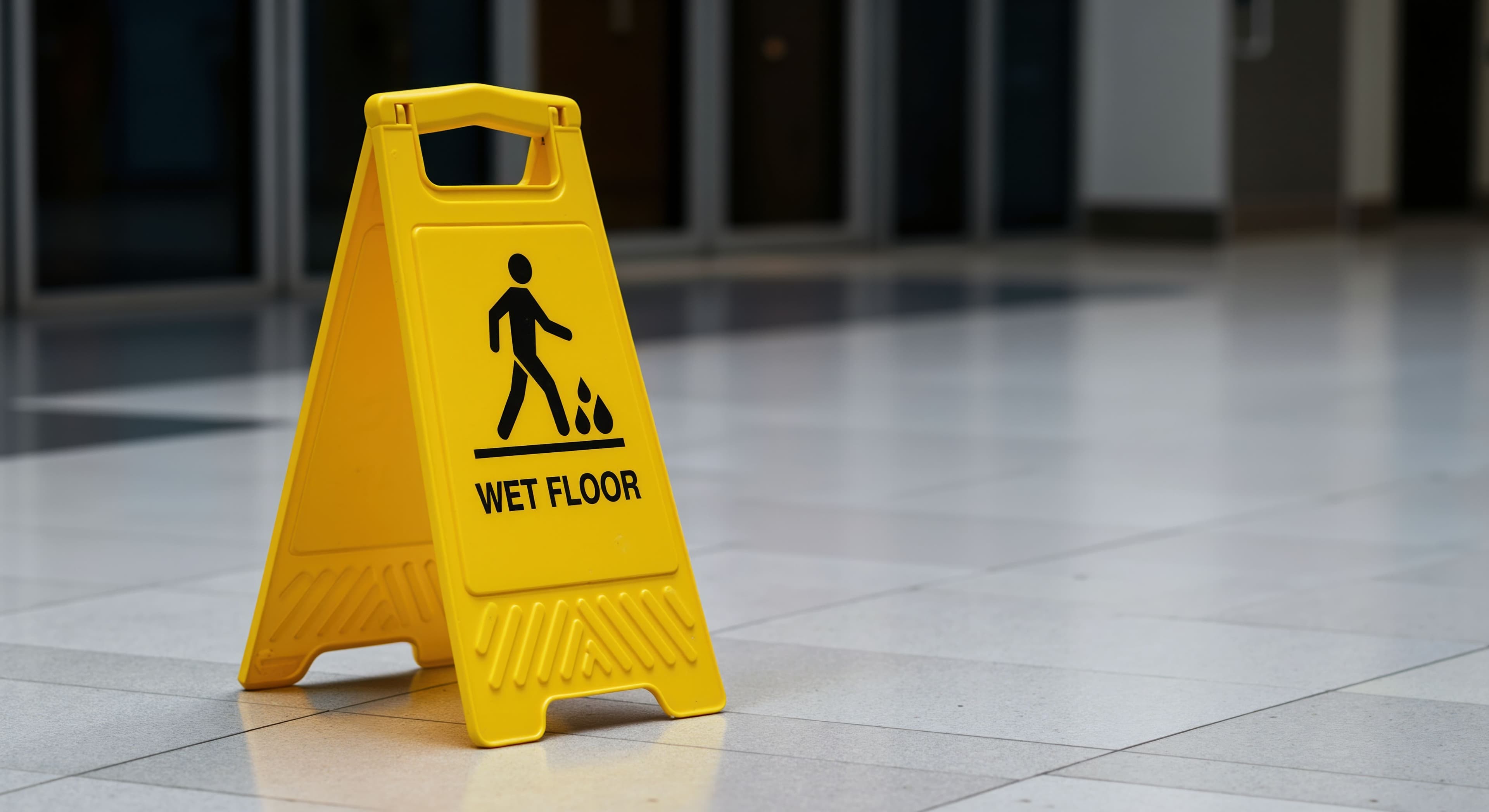
Slip and fall injuries are among the most common premises liability claims. They occur when floors are wet, uneven, or cluttered. Victims can suffer broken bones, head trauma, or spinal injuries. Property owners who fail to clean spills or warn visitors about hazards may be held responsible. Our attorneys investigate how the fall happened, document the unsafe condition, and prove that the owner’s negligence caused the accident.
Hazardous Conditions That Contribute to Falls
Poor lighting, loose carpeting, and unmarked step-downs can all cause dangerous falls. Our team examines property records, photographs, and maintenance logs to show how the hazard existed long enough for the owner to have known about it and failed to fix it.
Falling Objects and Unsafe Structures
Property owners must ensure that shelves, ceiling fixtures, and building structures are stable and properly secured. Falling merchandise in stores or collapsing ceilings in apartments can cause devastating injuries. We hold negligent landlords and businesses accountable when unsafe structures or poor maintenance lead to preventable harm.
Poor Construction or Inadequate Maintenance
In some cases, accidents occur because of poor construction or the use of low-quality materials. Our Birmingham premises liability attorneys review inspection reports and contractor records to determine whether building codes were violated or safety standards ignored.
Proving Liability in a Birmingham Premises Accident
To recover compensation, you must show that the property owner’s negligence directly caused your injuries. Proving liability requires clear evidence and a detailed understanding of Alabama’s premises liability laws.
Establishing Negligence
Negligence in a premises liability case involves showing that the property owner knew, or should have known, about a dangerous condition and failed to take reasonable steps to correct it. Our attorneys collect evidence such as surveillance footage, maintenance schedules, and witness statements to demonstrate that the hazard existed long enough for the owner to have acted.
Connecting the Hazard to Your Injury
It is not enough to show that a hazard existed. You must also prove that the unsafe condition directly caused your injury. We work with medical professionals to link your injuries to the accident through medical records, imaging results, and expert testimony. This connection is essential to obtaining a successful outcome in your claim.
Documenting the Extent of Your Damages
Our Birmingham premises liability lawyers ensure that your claim accounts for all losses, including medical expenses, lost income, rehabilitation, and pain and suffering. We gather bills, treatment plans, and expert evaluations to show the full impact of your injuries on your life.
How Property Owners and Insurers Defend Against Claims
Property owners and insurance companies often try to avoid liability by shifting blame or minimizing the extent of your injuries. Having a strong legal advocate helps protect you from these tactics.
Common Defenses in Premises Liability Cases
Owners frequently claim that the hazard was obvious or that the injured person was not paying attention. They may argue that you entered an area marked as restricted or ignored warning signs. Our attorneys challenge these defenses with clear evidence that the property owner failed to maintain a reasonably safe environment.
How Lawyers Counter These Defense Strategies
Our Birmingham premises liability attorneys anticipate every argument the defense might raise. We use photographs, witness statements, and expert analysis to prove that the owner could have prevented the accident through proper maintenance or timely repairs.
Preventing Insurers From Undervaluing Your Claim
Insurance adjusters often attempt to settle for the lowest possible amount. We handle all negotiations and ensure that your compensation reflects the seriousness of your injuries and the long-term effects they have on your health, finances, and emotional well-being.
The Importance of Legal Representation After a Premises Liability Accident
Premises liability cases are often complex because they involve multiple parties, different types of property, and overlapping insurance coverage. Having a skilled attorney ensures your claim is managed correctly and efficiently.
Protecting Your Rights From the Start
From the moment you contact Simmons Law, we begin preserving evidence and managing communication with the property owner and their insurer. Our attorneys ensure that no one takes advantage of your situation or pressures you into an unfair settlement.
Maximizing Compensation Through Skilled Advocacy
Our lawyers know how to calculate both the immediate and long-term impact of a premises liability injury. We pursue every available form of compensation, from medical costs to lost income and emotional trauma, so that your recovery is complete and just.
Standing By You Through Every Step
At Simmons Law, we treat each client with compassion and dedication. Our Birmingham premises liability lawyers guide you through the process, answer your questions, and keep you informed until your case is resolved. You can count on us to stand by you every step of the way.
Potential Damages Available in a Birmingham Premises Liability Claim
When a property owner’s negligence leads to an accident, victims often face significant physical injuries, emotional trauma, and financial hardship. A premises liability claim allows you to pursue compensation for the full extent of your losses and begin rebuilding your life. At Simmons Law, our Birmingham premises liability accident lawyers work tirelessly to help injured individuals recover the damages they deserve. We evaluate every element of your case to ensure that all losses, both visible and unseen, are properly valued and pursued.
Economic Damages in a Premises Liability Claim
Economic damages include the direct financial costs resulting from your injury. These losses are supported by bills, receipts, and other documentation, and they reflect the actual money you have spent or will need to spend as a result of your accident.
Medical Expenses and Ongoing Care
Medical treatment after a premises accident can be expensive, especially if your injuries require surgery or long-term therapy. Victims often face hospital bills, prescription costs, and follow-up appointments that extend months into the future. Our Birmingham premises liability attorneys carefully review your medical records, treatment recommendations, and expected recovery timeline to ensure that every cost is included in your claim. We also account for future care such as rehabilitation, physical therapy, or home healthcare to make sure you receive the resources you need to heal fully.
Lost Wages and Diminished Earning Capacity
When injuries prevent you from returning to work, the financial impact can quickly become overwhelming. Many victims lose weeks or even months of income during recovery, and some are unable to return to their previous jobs altogether. Our lawyers work with employment and economic experts to calculate not only your current lost wages but also your reduced earning potential. We ensure that your compensation accurately reflects the long-term financial challenges caused by your injury.
Costs of Property Damage and Out-of-Pocket Expenses
Premises liability accidents often result in damage to personal property such as phones, watches, or clothing. These costs, though smaller than medical bills, still represent financial losses that deserve reimbursement. We include every expense connected to your accident in your claim, including transportation to medical appointments and any specialized equipment needed for recovery.
Non-Economic Damages in a Premises Liability Case
Non-economic damages cover the personal and emotional impact of an accident. These losses cannot be measured with receipts but are just as significant to your overall recovery.
Pain and Suffering
Serious injuries can cause physical pain that affects every part of daily life. Chronic discomfort, sleep problems, and mobility limitations are common after a premises accident. Our Birmingham premises liability lawyers present medical evaluations, therapy records, and personal statements to demonstrate how your pain has affected your quality of life. We pursue fair compensation that acknowledges the lasting physical challenges you face.
Emotional Distress and Mental Health Impacts
After a serious fall or injury, victims often experience anxiety, depression, or fear of returning to the place where the accident occurred. These emotional effects can interfere with work, relationships, and daily activities. Our attorneys recognize the importance of addressing mental and emotional recovery alongside physical healing. We gather supporting documentation from counselors and medical professionals to ensure that emotional distress is properly valued within your claim.
Loss of Enjoyment of Life and Independence
When an injury prevents you from participating in hobbies, exercising, or spending time with family, your lifestyle changes dramatically. Losing independence or the ability to live freely can take a heavy emotional toll. Our Birmingham premises liability accident lawyers make sure that your loss of enjoyment of life is reflected in your settlement or verdict. Compensation for this loss allows you to focus on adapting to your new reality and finding ways to rebuild confidence and balance.
Compensation for Permanent or Long-Term Injuries
Some premises liability accidents cause injuries that never fully heal. In these cases, victims must seek damages that account for lifelong care, limitations, and support.
Permanent Disability and Future Medical Needs
Injuries such as spinal cord damage, head trauma, or severe fractures can lead to permanent disability. Our attorneys work closely with medical experts to evaluate the extent of your limitations and the treatment required for ongoing recovery. We ensure that your claim includes costs for long-term care, assistive equipment, and home modifications so that you are not burdened with unexpected expenses later.
Disfigurement and Scarring
Severe accidents can leave visible scars or disfigurement that impact your confidence and mental health. These injuries often require reconstructive surgery or cosmetic treatment to repair. Our Birmingham premises liability attorneys present medical evidence and personal testimony to show how disfigurement has affected your daily life. We pursue damages that reflect both the physical and emotional aspects of these lasting injuries.
Loss of Earning Potential Due to Permanent Impairment
When a permanent injury prevents you from returning to your profession or reduces your capacity to work, the financial consequences can last a lifetime. We work with vocational experts to calculate the difference between your pre-injury earning potential and your current abilities. This ensures that your compensation provides real financial security for the future.
Wrongful Death Damages in a Premises Liability Accident
In tragic cases where a premises accident results in death, surviving family members have the right to pursue justice through a wrongful death claim. While no amount of money can replace a loved one, these claims hold negligent property owners accountable and provide essential financial support to families during a painful time.
Pursuing Justice for the Loss of a Loved One
Our Birmingham premises liability accident lawyers approach wrongful death cases with compassion and care. We manage every detail of the legal process while families focus on healing. These claims serve to punish negligent property owners and highlight the importance of maintaining safe environments for the public.
Types of Damages in a Wrongful Death Claim
Under Alabama law, wrongful death damages are punitive rather than compensatory. This means they are designed to punish the property owner for their misconduct rather than directly compensate the family’s financial losses. Our attorneys present evidence of negligence and the harm caused to ensure that the damages awarded reflect the seriousness of the wrongdoing.
Supporting Families Through Every Step of the Process
We understand the emotional strain families face during a wrongful death case. Our team offers consistent communication, guidance, and compassion throughout the process. We stand beside you to ensure that your loved one’s story is heard and that accountability is achieved.
How a Lawyer Helps Your Premises Liability Case in Birmingham
When you suffer an injury on unsafe property, the recovery process can feel overwhelming. Between medical treatment, lost income, and dealing with insurance companies, it is easy to feel uncertain about your next step. A Birmingham premises liability lawyer provides the guidance and advocacy you need to hold negligent property owners accountable and recover fair compensation for your injuries.
Conducting a Detailed Investigation
The success of any premises liability case begins with a thorough investigation. A lawyer gathers facts, identifies the parties responsible, and collects the evidence necessary to prove that negligence caused your injuries.
Gathering and Preserving Evidence
Your attorney collects accident reports, photographs, and witness statements that show how the property owner failed to maintain safe conditions. Evidence such as maintenance records, video footage, and inspection logs can reveal whether the owner ignored known hazards. Acting quickly ensures that no important information is lost.
Using Expert Testimony To Strengthen Your Case
In complex premises liability cases, expert witnesses can help explain how a hazard caused the accident. Engineers, building inspectors, and medical specialists can provide professional insight into what went wrong and how it affected you. Our Birmingham premises liability lawyers work with these experts to present strong, persuasive evidence.
Communicating With Insurance Companies
Insurance companies often attempt to reduce the amount they pay after an injury on someone else’s property. Having a lawyer on your side protects you from these tactics and ensures that your claim receives the attention it deserves.
Handling All Communication on Your Behalf
Your lawyer acts as your representative in all interactions with insurers and opposing counsel. This prevents adjusters from taking advantage of your situation or twisting your words to limit your claim. By managing communication directly, your attorney allows you to focus on recovery while maintaining control of your legal strategy.
Negotiating a Fair Settlement
Insurance companies often begin with low settlement offers that fail to cover the full cost of your injuries. Your attorney evaluates each offer carefully, compares it to the actual value of your damages, and responds with counteroffers backed by evidence. Skilled negotiation often results in a higher settlement that truly reflects the impact of your accident.
Addressing Denials or Delays in Your Claim
If the insurer denies liability or drags out the process, your lawyer intervenes immediately. We gather additional documentation, challenge false statements, and take assertive steps to ensure your case continues to move forward. Our Birmingham premises liability attorneys know how to navigate these obstacles effectively to protect your interests.
Calculating the True Value of Your Case
Determining the value of a premises liability case requires more than estimating medical bills. A lawyer examines every aspect of your injuries and losses to ensure your compensation reflects both the short- and long-term effects of the accident.
Assessing Economic Damages
Economic damages include your measurable financial losses, such as medical expenses, physical therapy, and lost wages. Your attorney compiles receipts, treatment plans, and employer records to calculate these damages precisely. They also factor in ongoing medical care, medication, and any necessary home modifications caused by your injuries.
Evaluating Non-Economic Damages
Non-economic damages represent the emotional and personal impact of your accident. These include pain, emotional distress, loss of enjoyment of life, and changes to your daily routine. Your Birmingham premises liability lawyer ensures that these intangible losses are properly valued and included in your settlement negotiations.
Accounting for Future Needs and Complications
Many injuries worsen over time or lead to chronic pain that affects your ability to work or live comfortably. Your attorney consults medical professionals and life-care planners to estimate future costs, including long-term care and reduced earning potential. By looking ahead, your lawyer ensures your compensation covers the full extent of your losses.
Preparing Your Case for Trial
Although most premises liability accident cases settle before reaching court, being ready for trial strengthens your negotiating position. A prepared lawyer shows the opposing party that your case will not be ignored or undervalued.
Filing a Lawsuit When Necessary
If the insurance company refuses to settle fairly, your attorney files a lawsuit to pursue compensation through the court system. We handle every stage of litigation, from drafting the complaint to presenting evidence and questioning witnesses. This process ensures your voice is heard and your rights are fully represented.
Presenting a Compelling Case in Court
At trial, your Birmingham premises liability attorney presents clear, organized evidence that demonstrates the property owner’s negligence. We use photographs, expert testimony, and detailed reports to show how the unsafe condition led to your injury. Our courtroom experience allows us to communicate effectively with judges and juries to secure a favorable verdict.
Using Trial Readiness To Encourage Fair Settlements
When property owners and insurers know that your attorney is fully prepared for trial, they are more likely to negotiate fairly. Our readiness to litigate often motivates opposing parties to make stronger settlement offers, leading to quicker resolutions without compromising your compensation.
Providing Compassionate Support Throughout the Legal Process
Recovering from an accident can be emotionally and physically exhausting. A lawyer’s role extends beyond handling paperwork and negotiations. At Simmons Law, we provide personal support, honest communication, and reassurance every step of the way.
Keeping Clients Informed and Empowered
We believe that knowledge gives clients confidence. Your lawyer keeps you updated on every development, explains legal concepts clearly, and ensures that you understand each option available to you. With our team guiding you, you will never feel left in the dark about your case.
Helping You Focus on Recovery
Your attorney takes care of the legal complexities so that you can prioritize healing. We coordinate with doctors, therapists, and insurance providers to keep your case organized while you recover physically and emotionally.
Standing Beside You Until the End
At Simmons Law, we do not view clients as case numbers. We see people who deserve justice, respect, and support. Our Birmingham premises liability lawyers stand beside you from the moment you reach out until your case is fully resolved, fighting to secure the recovery you need to move forward with peace of mind.
Contact a Birmingham Premises Liability Lawyer
When you are hurt because a property owner failed to keep their space safe, you deserve more than an apology. You deserve accountability and the proper resources to recover fully. Our Birmingham premises liability lawyers at Simmons Law are here to help you take the necessary steps toward justice and healing.
Our team understands how stressful and frustrating these accidents can be. One moment you are shopping, visiting a friend, or walking through a parking lot, and the next you are facing painful injuries, medical bills, and time away from work. We take the burden of the legal process off your shoulders, managing every detail of your claim so you can focus on your health and your future.
At Simmons Law, we listen closely to your story, treat you with respect, and fight for results that make a real difference in your life. We investigate your case, prove liability, and pursue full compensation for every loss you have suffered. With our guidance, you can move forward knowing that a dedicated team is standing behind you every step of the way.
Call (251) 313-9480 or visit our contact page to schedule your free consultation with a Birmingham premises liability attorney. Reach out today and let us help you take back your confidence, your stability, and your peace of mind.