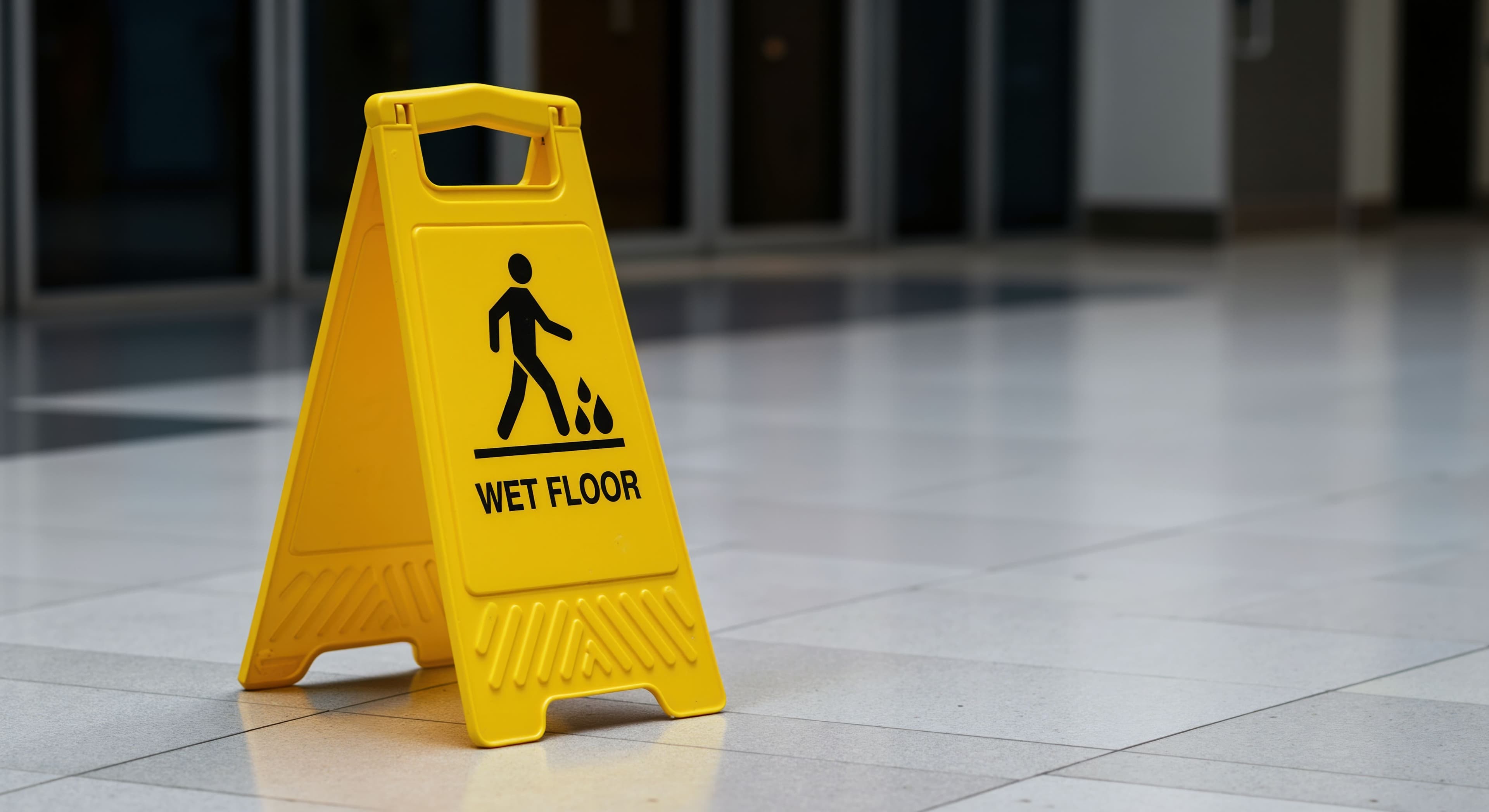


Slip-and-fall accidents, negligent security incidents, and property-related injuries in Dauphin Island can leave victims facing serious medical bills, lost income, and lasting physical harm — while the property owner and their insurance company work to minimize or eliminate their liability. At Simmons Law, Chris Simmons personally handles premises liability cases throughout Mobile County, fighting for maximum compensation under Alabama law.
Premises Hazards in Dauphin Island, Alabama
Dauphin Island's tourism character creates distinctive premises liability conditions. Vacation rental properties — often managed remotely by out-of-state owners — must maintain safe conditions for guests who are invitees under Alabama law. Beach access stairways, elevated deck structures, and pool areas at rental properties are common hazard sources. Alabama does not cap compensatory damages in premises cases, and vacation rental operators carry significant exposure when maintenance is deferred.
Premises liability cases in Dauphin Island arise on Bienville Boulevard beach access properties, vacation rental properties, Fort Gaines area, and the island's restaurant and retail corridor. Summer season (May–September) brings dramatic population increases to Dauphin Island, creating elevated premises liability risk at vacation rentals, beach access areas, stairways, and tourist commercial properties. Off-season, the island's permanent community is small.
Alabama Premises Liability Law: What Property Owners Owe You
Alabama premises liability law under § 6-5-541 establishes the duty of care a property owner owes based on the visitor's legal status. An invitee — someone who enters the property with the owner's express or implied invitation for a business purpose — receives the highest level of protection. The property owner must use reasonable care to maintain the premises in a safe condition and must warn of known dangers. A licensee, who enters with the owner's permission but for their own purposes, is owed a duty to warn of known hazards. A trespasser is owed only the duty not to willfully injure them. In most Dauphin Island commercial premises liability cases, injured customers, restaurant patrons, retail shoppers, and hotel guests are invitees — and they are entitled to the highest duty of care.
For a landowner to be liable, they must have had actual or constructive notice of the hazardous condition. Actual notice means the owner knew about the hazard. Constructive notice means the condition existed long enough that a reasonable property owner should have discovered it through routine inspection. A wet floor that has been standing for three hours is constructive notice. A recently fallen object where an employee walked past it without cleaning it up is constructive notice. Simmons Law investigates both the physical evidence of the hazard and the property's inspection and maintenance history to establish the notice element.
How Insurance Companies Use Contributory Negligence Against Slip-and-Fall Victims
Alabama is one of the last states using pure contributory negligence under § 6-5-522. Under this rule, if an insurance adjuster can convince a jury that you were even one percent at fault for your injury — you weren't watching where you were walking, you were wearing inappropriate footwear, you ignored a warning sign — you recover nothing. This is not an accident; it is an insurance defense strategy. Adjusters assigned to Dauphin Island and Mobile County premises claims are trained to look for any evidence of victim fault and use it to defeat the claim entirely. Simmons Law builds premises liability cases specifically to counter these arguments before they gain traction.
Evidence Preservation: The First 48 Hours Matter
Surveillance camera footage from commercial properties in Alabama is typically overwritten on a 24-to-72-hour loop. If no litigation hold is issued before the footage is overwritten, that evidence is gone permanently. Incident reports filed by property employees can disappear or be revised. Witnesses disperse. The hazardous condition itself gets cleaned up. Simmons Law sends evidence preservation demands immediately upon being retained, before critical evidence can be lost or destroyed.
Alabama Statute of Limitations for Premises Liability
Under Ala. Code § 6-2-38, personal injury claims in Alabama — including premises liability cases in Dauphin Island — must be filed within two years of the date of the injury. Missing this deadline almost always bars the claim entirely. However, critical evidence begins disappearing within days of the incident, so the practical deadline for taking action is far shorter than two years. The sooner a Dauphin Island premises liability victim contacts Simmons Law, the better the position for the case.
Why Simmons Law for a Dauphin Island Premises Liability Case
At Simmons Law, Chris Simmons personally handles every premises liability case from initial intake through resolution. Cases from Dauphin Island are filed in Mobile County Circuit Court, 205 Government Street, Mobile, AL 36644, where Chris Simmons regularly practices. The firm handles premises liability cases on a contingency fee basis — no fees unless there is a recovery. Chris Simmons is directly accessible to clients throughout the case. Alabama does not cap compensatory damages in premises liability cases, meaning victims who can establish full liability are entitled to recover all medical expenses, lost wages, pain and suffering, and other damages. For Dauphin Island residents injured on someone else's property, the initial consultation with Simmons Law is free.
Simmons Law also handles car accident cases, truck accident claims, motorcycle accident cases, wrongful death claims, and rideshare accident cases throughout Dauphin Island, Alabama.